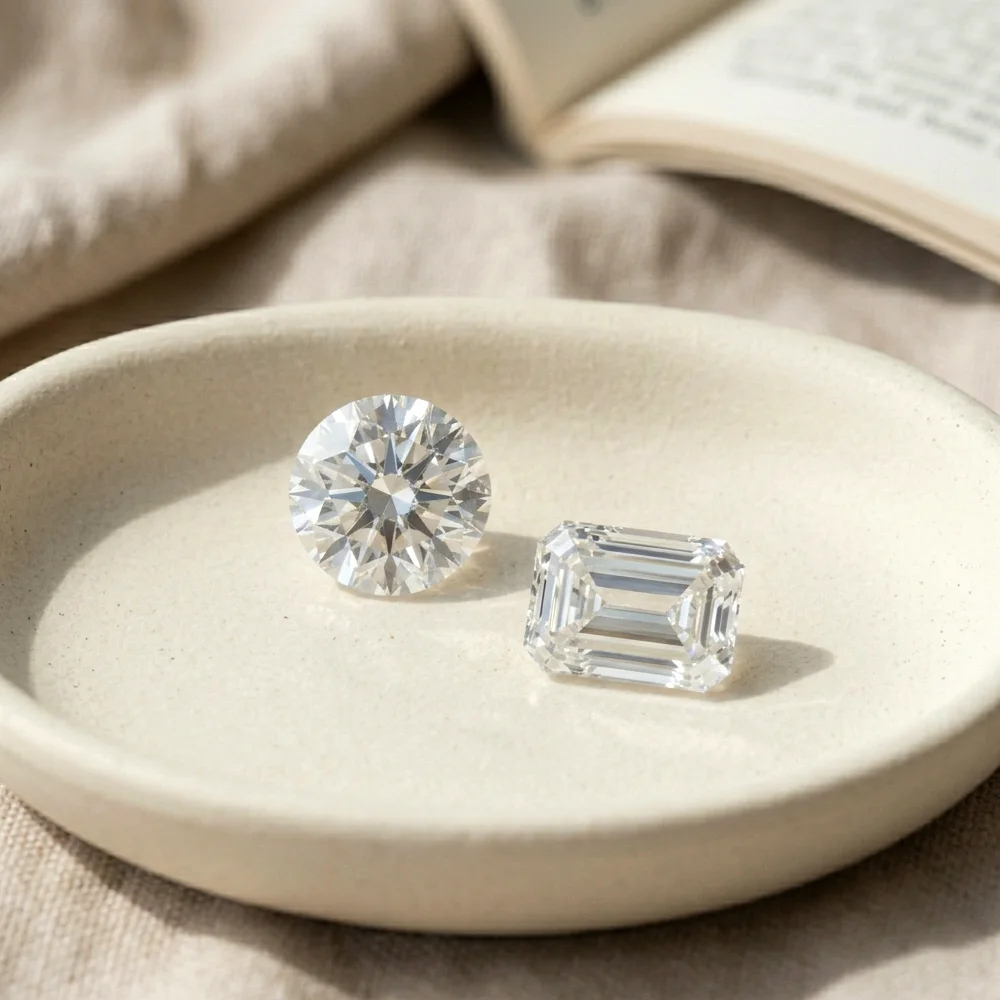
Lab Grown Diamonds vs Natural Diamonds: Key Differences Explained

Diamonds have always symbolized beauty, durability, and timeless appeal. But today, the conversation around diamonds has evolved. Alongside natural diamonds, lab grown diamonds have entered the market, offering a modern alternative that looks nearly identical yet comes from a completely different origin.
Understanding the distinction between the two isn’t about choosing one over the other—it’s about knowing what makes each unique.
What Are Lab Grown Diamonds?
Lab grown diamonds are created using advanced technological processes that replicate the same conditions under which natural diamonds form. Methods such as High Pressure High Temperature (HPHT) and Chemical Vapor Deposition (CVD) allow diamonds to develop in controlled environments within a matter of weeks.
Despite being created in a lab, they share the same physical, chemical, and optical properties as natural diamonds.
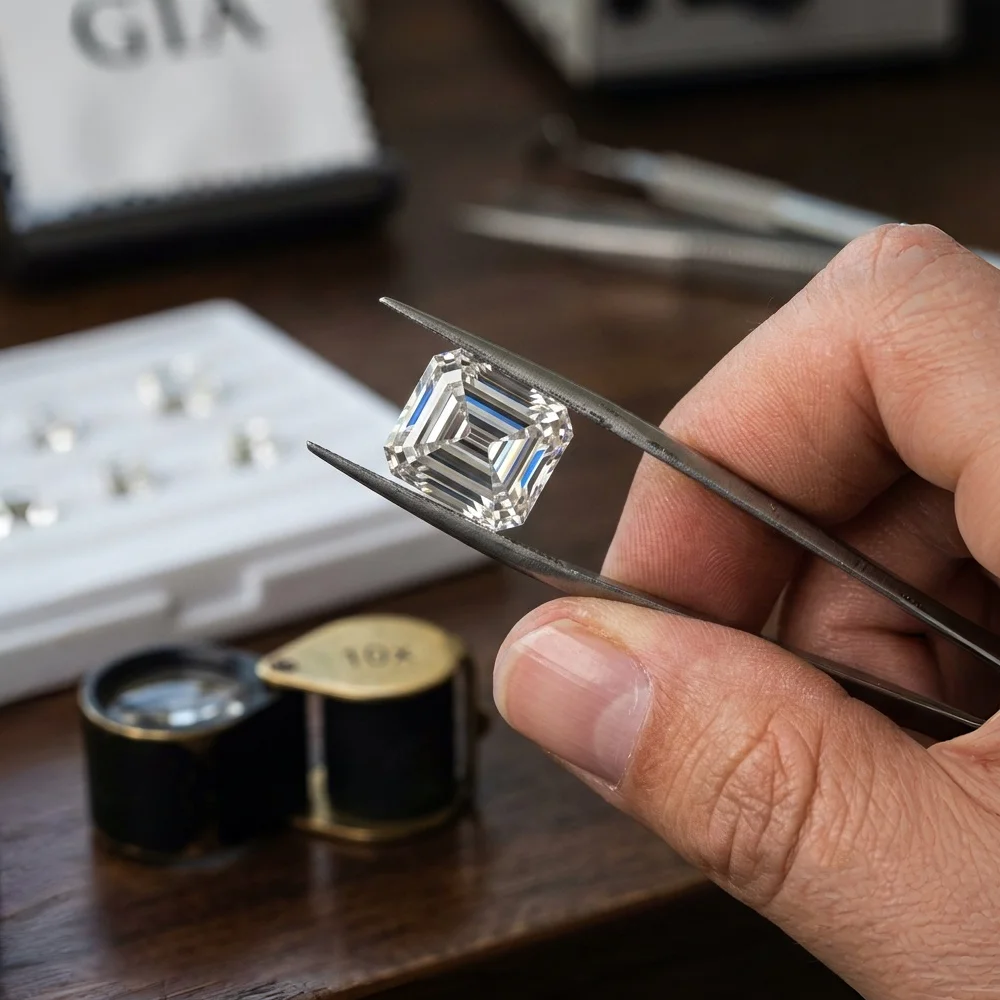
What Defines a Natural Diamond?
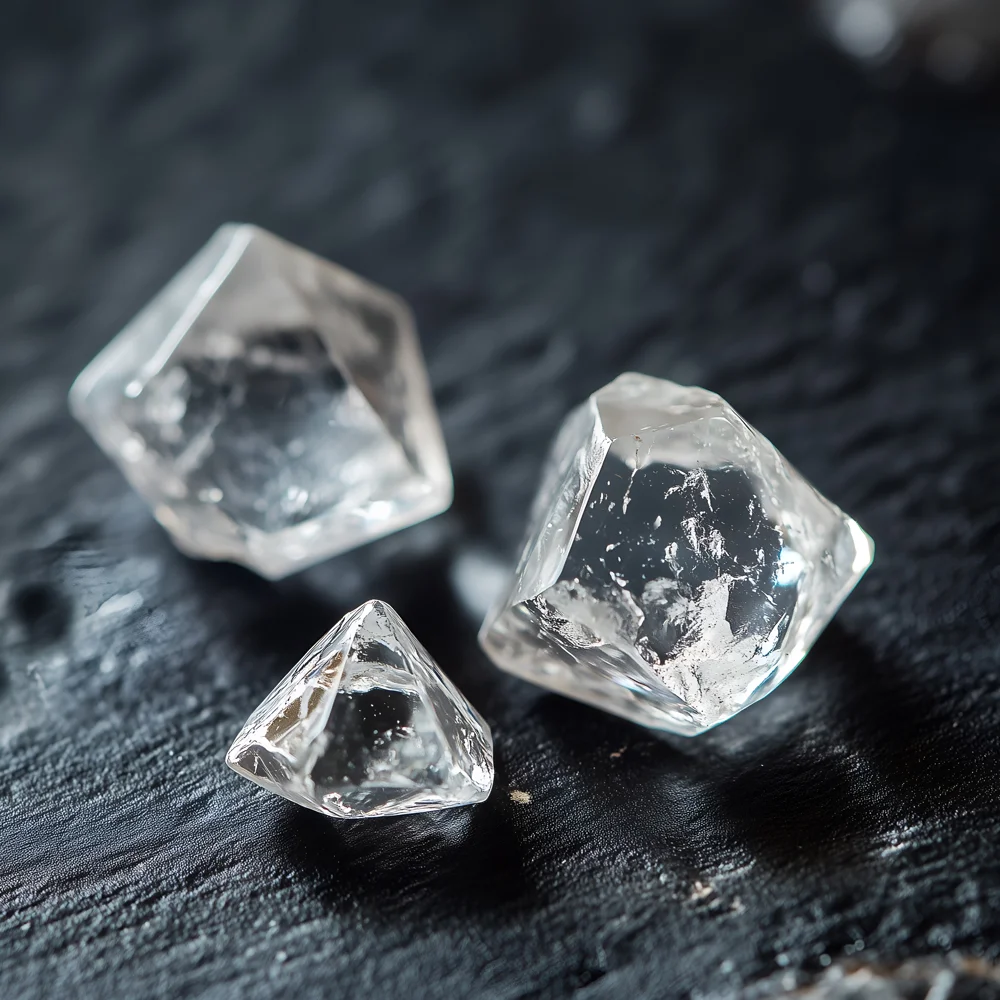
Natural diamonds are formed deep within the Earth under extreme heat and pressure over billions of years. These stones are brought closer to the surface through volcanic activity and later mined, cut, and polished into the diamonds we see in jewelry today.
Because of this long geological journey, each natural diamond carries subtle variations and inclusions that make it one of a kind.
A Closer Look at the Differences
1. Origin
Natural diamonds are formed by geological processes over billions of years, while lab grown diamonds are created in laboratories within a much shorter time frame using advanced methods.
2. Appearance
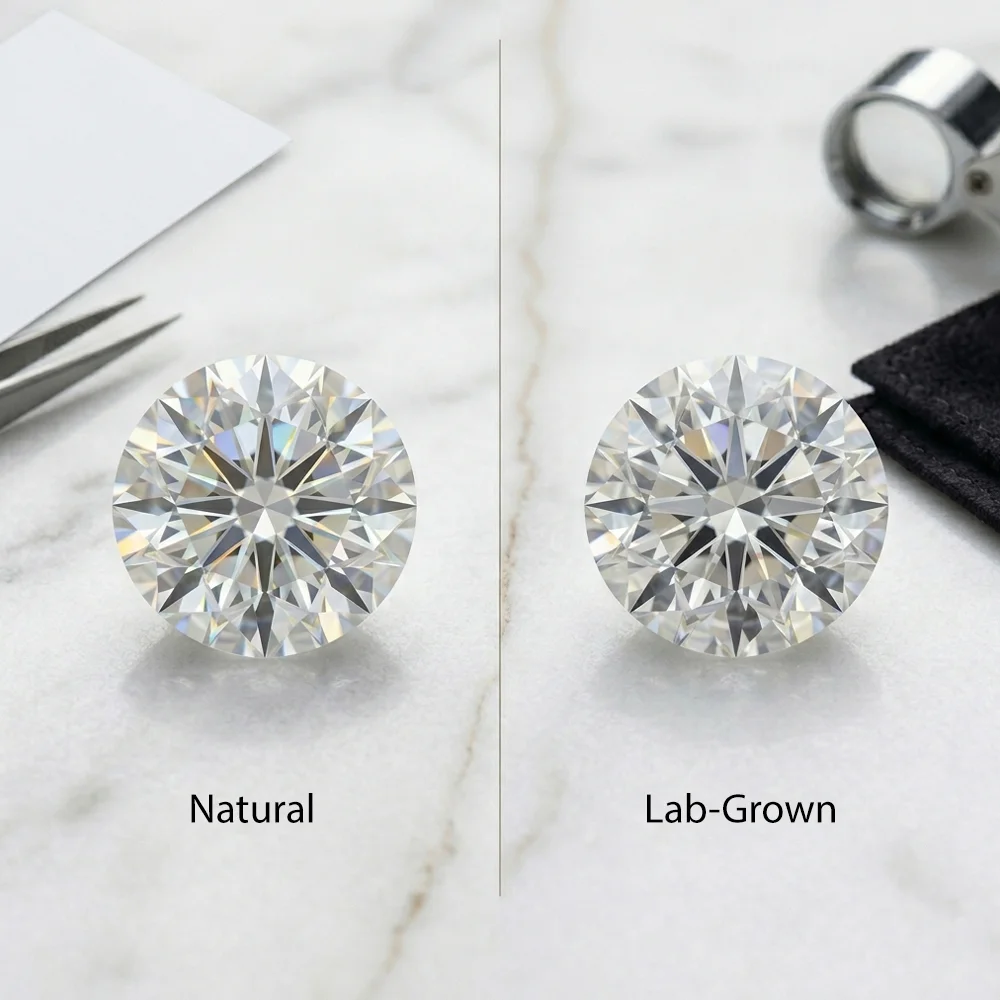
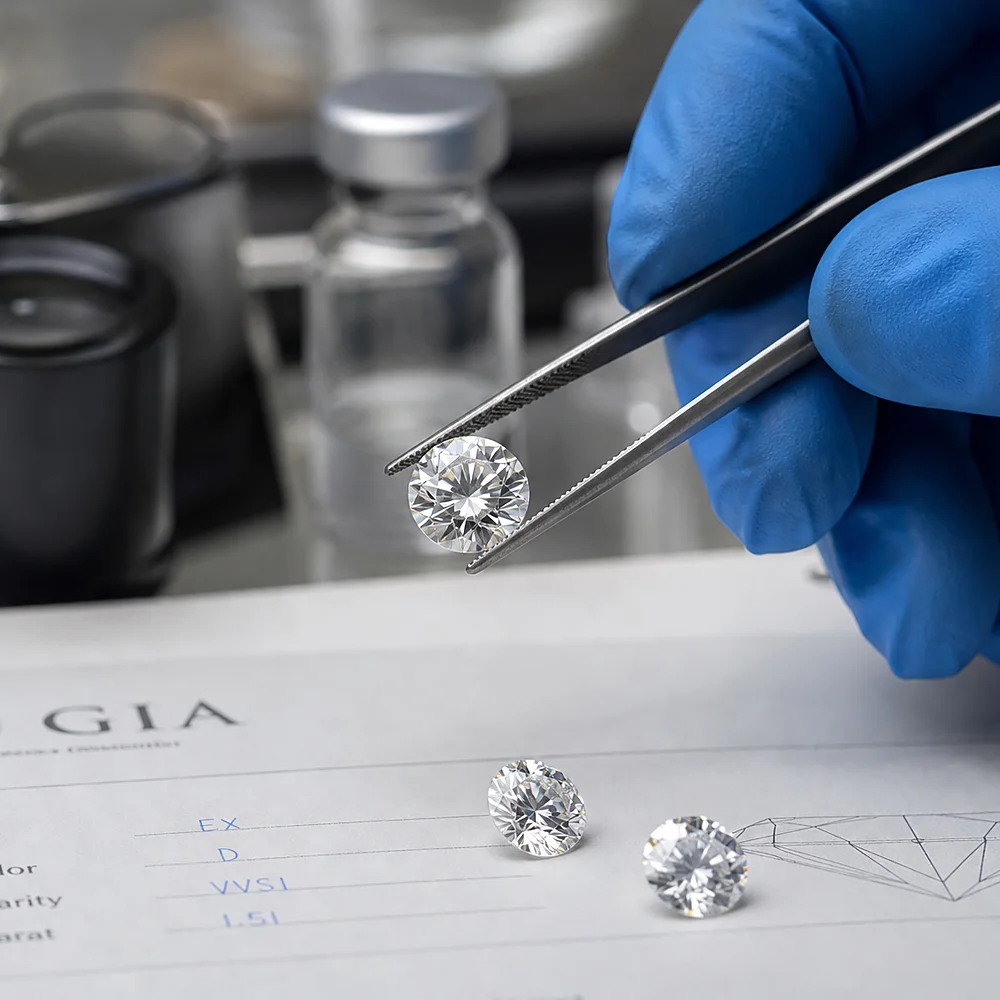
To the naked eye, both types of diamonds appear virtually identical. Their brilliance, sparkle, and clarity can be very similar, and distinguishing between them typically requires specialized equipment.
2. Appearance
To the naked eye, both types of diamonds appear virtually identical. Their brilliance, sparkle, and clarity can be very similar, and distinguishing between them typically requires specialized equipment.
3. Price
Lab grown diamonds are generally more accessible due to controlled production. Natural diamonds, on the other hand, are influenced by factors such as rarity, mining, and supply, which can affect their pricing.
4. Rarity
Natural diamonds are considered rare because of the time and conditions required for their formation. Lab grown diamonds can be produced more consistently, making them more widely available.
Are Lab Grown Diamonds Real?
Yes, lab grown diamonds are real diamonds. They have the same structure, durability, and optical properties as natural diamonds — the only difference lies in how they are formed.
Conclusion
Lab grown and natural diamonds each offer their own perspective on value and origin. While one reflects the rarity and history of nature, the other represents modern innovation and technological advancement. Understanding these differences allows for a more informed and balanced view of both.